About LCID
What is a CID?
A Community Improvement District (CID) is a self-imposed, self-governed funding mechanism created by commercial property owners to drive meaningful enhancements within their communities. CIDs focus on improving accessibility, mobility, safety and the overall aesthetic appeal of the area. By working collaboratively, CIDs have the power to influence key initiatives and leverage local, state and federal funding to maximize impact. Today, more than 30 active CIDs across Georgia are working diligently to strengthen and transform the regions they serve.
Mission
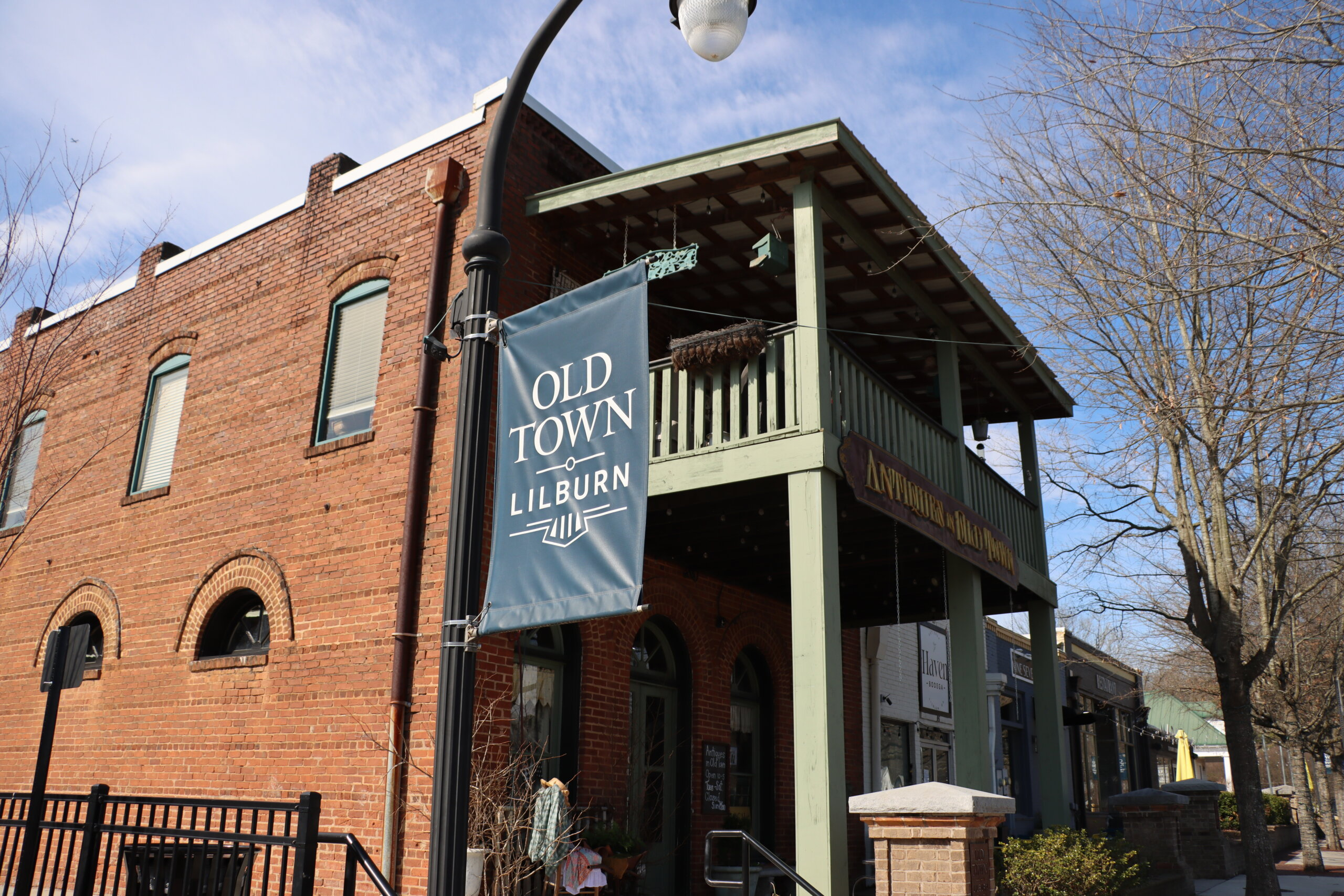
The Lilburn Community Improvement District (CID) is dedicated to fostering a thriving, vibrant community through strategic public-private partnerships. By empowering property owners to direct investments in their community, the CID is able to leverage resources to enhance property values, revitalize commercial areas and secure additional public and private funding for impactful improvements. Lilburn CID’s mission is to improve safety, mobility, connectivity and overall aesthetics, making Lilburn a premier destination for business and residential life.
Vision
Lilburn CID serves as an active catalyst for positive change, enhancing perceptions of attitude, appearance and business opportunity throughout the Hwy 29 corridor and surrounding areas. Our overarching goal is to create a vibrant "Boulevard of Opportunity" that extends along Hwy 29 from Ronald Reagan Parkway to Harmony Grove Road, fostering growth, innovation and community prosperity.
A Community Improvement District (CID) is one of the most effective public-private partnership models in use today, successfully driving the revitalization of commercial areas across Georgia and the nation. This strategic financing tool empowers commercial property owners to collectively invest in their district by directing how funds are allocated and spent. CIDs enhance property values through targeted improvements in infrastructure, safety and aesthetics. Their true strength lies in the ability to leverage these funds to attract significant additional investment from both public and private sources—amplifying their impact and accelerating community transformation.
A Community Improvement District (CID) is a defined geographic area in which commercial property owners agree to impose a supplemental property tax on themselves to fund public improvements. This additional tax is based on a millage rate established by the property owners and for the Lilburn CID, the millage rate is set at 5 mills.
To establish a CID, a majority of commercial property owners—representing at least 75% of the assessed value within the proposed district—must sign an agreement in support of its formation. Once approved, funds are collected by the Gwinnett County Tax Commissioner and disbursed to the CID’s board of directors, who are elected by the property owners. This board has full authority over how the funds are allocated and used within the district.
In addition to the self-imposed tax revenue, the CID becomes eligible to leverage additional funding from local, state and federal sources allotted for community improvement initiatives.
The Georgia Constitution outlines seven specific categories for which Community Improvement District (CID) funds may be used:
- Water and sewer infrastructure
- Public transportation systems
- Street and road construction, maintenance and improvements
- Parks, recreational areas and related facilities
- Stormwater management and sewage systems
- Parking facilities, terminals and docks
- Other purposes as authorized by law
These categories allow CIDs to strategically invest in projects that enhance infrastructure, accessibility and quality of life within their districts.
Participating property owners define the mission and priorities of the Community Improvement District (CID) and elect a board of directors to represent their collective interests. This board is responsible for setting strategic direction, determining funding priorities and overseeing the implementation of projects. It also manages the process of identifying and securing the professional staff and resources needed for day-to-day operations.
By forming a CID, commercial property owners gain a powerful tool to directly influence and invest in the economic vitality, safety and overall appeal of the area surrounding their properties.
Once established, commercial property owners elect a board of directors to govern the CID. This board sets the millage rate, which determines the additional property tax collected to fund CID initiatives. In Lilburn, the current millage rate is 5 mills. These funds are collected through the property tax bill and disbursed directly to the CID board, which has full authority over how the funds are allocated and used. In addition to self-generated revenue, the CID becomes eligible to access additional funding designated for community improvement projects.
The strength of a CID lies in its dual capacity: first, to identify and design strategic projects that enhance infrastructure, mobility and aesthetics; and second, to use its funds as leverage to secure significantly larger investments from local, state and federal sources. While an individual property owner may have limited influence, the collective voice and unified vision of a CID carries substantial weight and drives meaningful, lasting impact.
Commercial property owners directly benefit from the work of the Community Improvement District (CID) through increased property values driven by strategic local enhancements. Targeted investments in infrastructure, beautification, safety and mobility make the area more attractive to tenants, customers and investors—ultimately boosting the desirability and long-term value of commercial properties.
In addition, business owners benefit from a more vibrant, accessible and secure environment that supports economic growth and customer engagement. Residents of the surrounding communities also experience positive impacts through improved traffic flow, enhanced public spaces and a stronger sense of place.
By fostering collaboration and channeling investment into high-impact projects, CIDs generate widespread value that extends beyond property lines, strengthening the local economy, elevating quality of life and building a more connected and competitive district.Community partners